Willie Nelson: The Outlaw Who Redefined Country Music stands as a monumental figure in the evolution of American music. His unique blend of storytelling, avant-garde melodies, and evocative lyrics has redefined the sound of country music for generations, making his legacy not just one of musical innovation, but also of cultural shift.
Willie Nelson: Beyond the Red Headed Stranger – A Legacy of Outlaw Country
Video
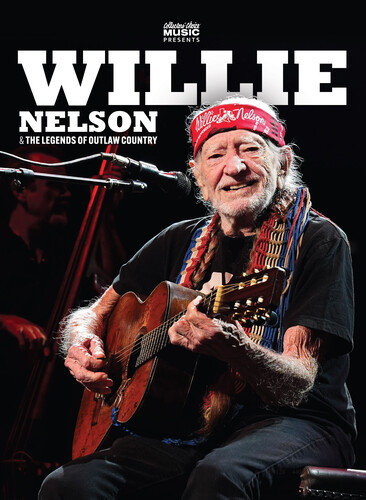
The mesmerizing melodies and profoundly heartfelt lyrics from Willie Nelson’s repertoire convey emotions that seem to transcend time and space. Nelson, often adorned with a bandana and sporting braided hair, is easily identifiable and emblematic of the eclectic spirit of the Outlaw movement. From his breakout record “Red Headed Stranger,” released in 1975, to the intricacies of his discography, Nelson’s music offers a raw authenticity that is often hard to find in contemporary country.
The artistry behind “Red Headed Stranger” is rooted deeply in its ability to tell a full story through song; it ingeniously weaves together themes of love, loss, and heartache. This landmark album took listeners on a journey that mirrored the trials of life itself. One of the most impactful aspects of Nelson’s legacy is his unwavering commitment to creating music that reflects the human experience, earning him a special place in the hearts of fans worldwide.

Nashville’s music industry once dictated the sound and direction of country music, insisting on polished production and marketability. Willie Nelson was part of a generation of artists who rejected that notion, paving the way for what would be known as Outlaw Country. After finding his footing as a songwriter in Nashville, he grew increasingly dissatisfied with the mainstream practices, which he felt stripped the art of its integrity. This dissatisfaction served as the catalyst for a creative liberation that led Nelson along a different path—to Texas.
In making Texas his home, Cain from this milieu of rebellion and authenticity, where artists were encouraged to express themselves freely, unencumbered by the traditional structures of the Nashville machine. Nevertheless, his transition was also marked by a sense of belonging; he found camaraderie and support among fellow musicians who shared his vision for a genuine sound that flowed more naturally from the heart. This migration from Nashville to Texas was not merely a geographical shift, but a profound transformation where Nelson’s artistry blossomed, leading to an authentic shift in country music.

Music&Audio
From Nashville Songsmith to Texas Outlaw: Nelson’s Rejection of the Country Music Machine

Willie Nelson’s detachment from the Nashville machine was not merely an act of rebellion, but rather a decision deeply rooted in his artistic integrity. The industry that once embraced him had begun to feel stifling and constricting, suffocating the very creativity that defined him as an artist. He believed that music should reflect the complexities of life rather than conform to commercial expectations, leading him to write songs that embodied real emotions.
With hits like “Crazy” and “Hello Walls,” he earned early respect as a songwriter, but it was his rejection of conforming formats that would truly cement his status as the quintessential Outlaw. By moving away from Nashville, Nelson opened himself to the rich musical heritage of Texas, which encouraged experimental sound. His embrace of a more folk-driven, individualistic style was a radical contrast to the grand orchestral productions that dominated mainstream country music at the time—this juxtaposition is what made him appealing to a broader audience.
In Texas, Nelson teamed up with a diverse group of musicians, fostering an environment that celebrated underground artists who were similarly disillusioned with the restrictive norms of the mainstream music scene. His collaboration with artists like Waylon Jennings helped to strengthen the Outlaw movement, producing music that was steeped in authenticity and grit. It was through this collaboration that the sound of rebellion began to form, creating a new genre that would define a generation.
🤠 COMMUNITY VOICE
Who do you think deserves the crown for the Ultimate Country Legend?
Submit & See ResultsNelson’s stance instigated a cultural shift that allowed other artists, such as Johnny Cash and Merle Haggard, to embrace their individuality as they broke free from the commercial constraints of the establishment. Their collective efforts to embody a free-spirited style of music brought a new wave of creativity to the forefront of American country music, marking the dawn of a new era that stretched far beyond the confines of Nashville.
The Sound of Rebellion: Analyzing the Musical Innovations of Willie Nelson’s ‘Outlaw’ Era
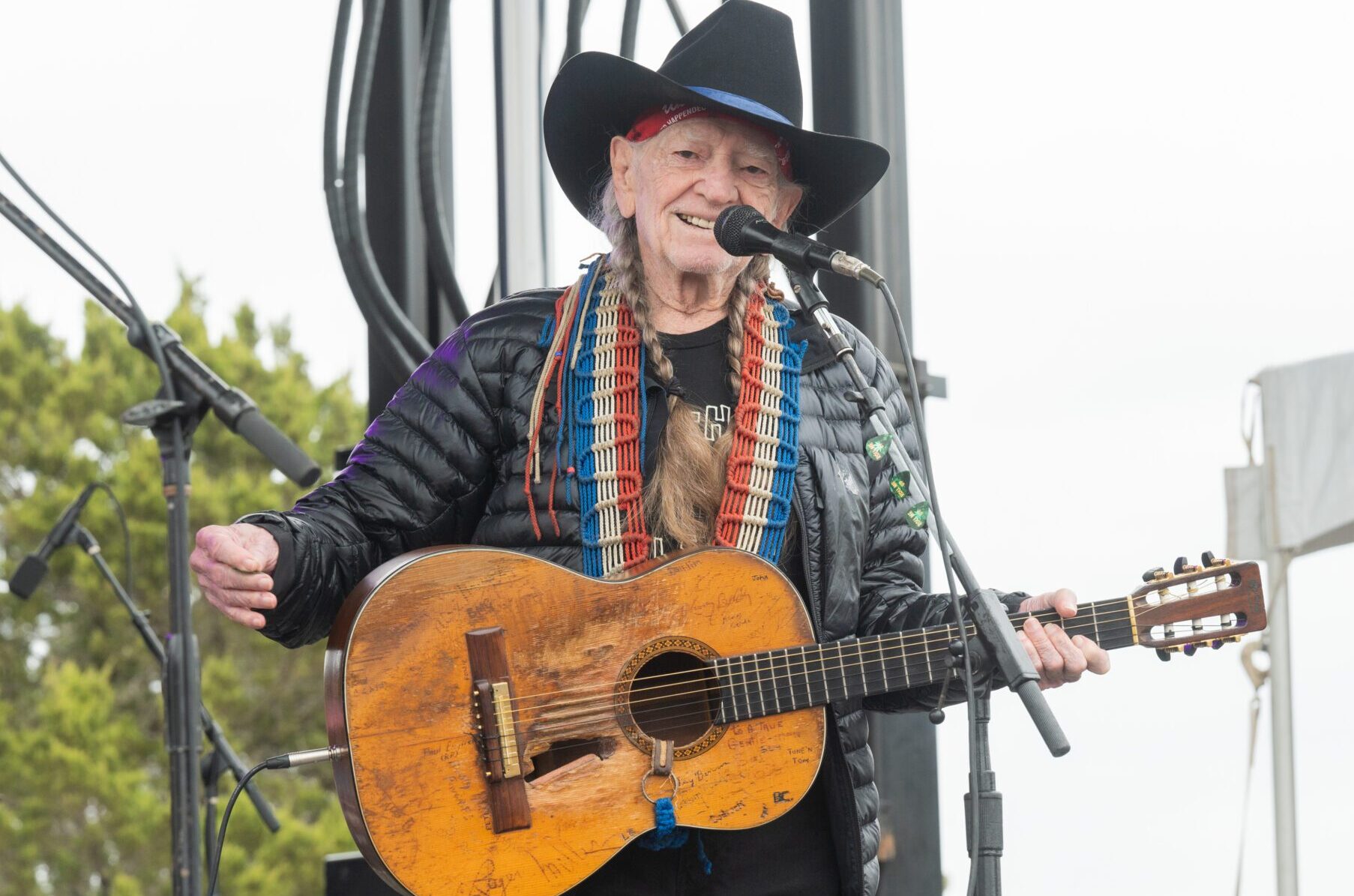
Photo Gallery
Willie Nelson’s ‘Outlaw’ era was marked not just by thematic changes in lyrics but also by significant musical innovations that set him apart from his contemporaries. Central to his approach was the blending of country with elements of jazz, blues, and folk—resulting in a rich, textured sound that was far removed from the conventional image of country music. His signature guitar playing, characterized by a relaxed, unhurried strumming style, along with his unique vocal delivery, became iconic and were embraced by audiences who craved something real.

One of the defining characteristics of Nelson’s music was his innovative use of phrasing and storytelling. Unlike traditional country artists, who often adhered to a rigid sense of structure, Nelson’s songs embraced improvisation, shifting rhythms, and personal anecdotes. Songs like “On the Road Again” capture the essence of life’s unpredictability, showcasing not just his music but also his experiences and struggles. Nelson’s artful storytelling not only conveyed profound emotions but challenged listeners to connect on deeper levels.
Throughout the Outlaw era, Nelson marinated the country music scene in sounds that broke away from the typical banjo-infused instrumentals, incorporating the richness of the guitar, piano, and harmonica in a way that felt organic and intuitive. This varied instrumentation created an expansive soundscape that resonated with audiences, allowing them to engage with the music more profoundly. As Nelson forged his unique sound, he crafted not just songs, but experiences that listeners could absorb and relate to in their own lives.
Moreover, in an era when studio production often favored a polished sound, Nelson retained an authenticity that surfaced through the rawness of his recordings. He often placed emphasis on live performances, which allowed his audience to experience the full breadth of emotion present in every lyric and note. The combination of live-recorded spontaneity and constructed narratives marked a significant turning point in how country music was perceived and consumed—a defining moment that cemented Willie Nelson’s place as a trailblazer in the genre.
Collaborations and Community: How Willie Nelson Built the Outlaw Country Movement
Collaboration played a pivotal role in the establishment and growth of the Outlaw Country movement, much of which can be attributed to Willie Nelson’s visionary talent. The musician often surrounded himself with a tight-knit community of fellow artists who shared his values of artistic freedom and personal expression. This network of musicians included not just country stalwarts but also those from diverse genres that enriched the sound of Outlaw Country.
By working with fellow contemporaries like Waylon Jennings, Johnny Paycheck, and Jessi Colter, Nelson fostered a collaborative spirit that diffused throughout the movement. Albums like “Wanted! The Outlaws,” released in 1976, showcased the synergy of these artists and propelled the Outlaw phenomenon to the mainstream. Each artist brought their own flair to the table, working collectively to challenge the norms imposed by the commercial music industry.
This shared ethos of authenticity not only propelled their individual careers but also created a larger community of like-minded musicians who rallied behind a common cause—liberation from the constraints of the mainstream. With a focus on live music, jam sessions, and touring together, Nelson and his peers created a vibrant atmosphere that fostered creativity and the emergence of a unique musical identity.
Furthermore, this collaborative spirit has had a lasting influence beyond the artists directly involved in the movement. The sense of unity and mutual support established by Nelson and his counterparts became a blueprint for subsequent artists in the industry. Their commitment to authenticity paved the way for future musicians, inspiring them to forge their own paths while encouraging creativity and artistic growth.
The Outlaw Country movement that Willie Nelson helped to build extended its reach to fans who resonated deeply with the artisanal approach to music and culture. This community-driven ideology continues to inspire artists across genres, proving that collaboration and shared values can lead to greater creativity and a lasting legacy.
More Than Music: Willie Nelson’s Activism and Advocacy
While Willy Nelson’s contribution to country music is a tremendous part of his legacy, his activism and advocacy have played equally significant roles in shaping his public persona and influence. A passionate advocate for various causes, the singer-songwriter has used his platform to resonate not just in musical realms but in social issues that reflect deep-seated values and principles.
Nelson’s long history of activism is deeply entwined with his commitment to environmental issues and farmers’ rights. He co-founded Farm Aid in 1985, a response to the plight facing American farmers due to economic distress and corporate farming practices. The annual benefit concert has raised millions of dollars, illustrating Nelson’s dedication to the agricultural community while rallying artists and fans alike to support sustainable practices.
Additionally, his involvement in the biofuels movement addresses not only environmental concerns but also the need for renewable energy sources. Nelson’s advocacy for biofuels has carved paths for conversations surrounding sustainability within the agriculture sector. By utilizing his fame, he invites audiences into the dialogue about environmental responsibility and social justice, thus broadening the scope of influence he impacts beyond the musical domain.
Moreover, his outspoken support for LGBTQ rights, healthcare, and animal rights demonstrates that his advocacy extends across a broad range of issues. As a figure who has often challenged the status quo, Nelson embodies the notion that music and activism are interconnected, and that an artist’s platform can serve to promote essential social change. His empathetic stance on those issues highlights his belief in the power of unity and social responsibility.
His activism transcends just being a footnote in his career; it reinforces the moral fabric of who Willie Nelson is as an artist and human being. Through his actions, he has continuously inspired other musicians to leverage their influence for good, creating a legacy that intertwines music with meaningful contributions to society.
Enduring Icon: Willie Nelson’s Lasting Influence on Country Music and American Culture
Willie Nelson’s influence on country music and American culture is both profound and far-reaching, shaping the sounds and attitudes that define contemporary genres. More than just an artist, he has become a cultural icon, representing the spirit of rebellion and authenticity that resonates with fans across generations. His influence can be seen not only in the country sphere but across genres, from rock to folk, showcasing his ability to transcend traditional boundaries.
The Outlaw Country movement that Nelson helped popularize altered the landscape of country music, creating room for artists to express their individual narratives without fear of backlashing from traditionalists. His impact is tangible: notable artists ranging from Sturgill Simpson to Kacey Musgraves have cited him as an inspiration, utilizing their own unique approaches while embracing the ethos that he created.
In addition to the music itself, Nelson’s appearance and persona have permeated culture at large. His unique style, characterized by a casual way of dressing and an unapologetic attitude, has become symbolic of a carefree spirit. Many artists today emulate that sense of authenticity—giving rise to music that is not about glamor, but about truth and relatability.
Willie Nelson’s legacy serves as a reminder that the greatest artists are not those who seek perfection or fame, but those who offer an introspective look into the vulnerabilities of the human experience. His dedication to storytelling through music continues to inspire new generations, making his contributions to culture timeless.
Conclusion
Willie Nelson: The Outlaw Who Redefined Country Music stands as a beacon of artistic integrity and cultural revolution. From his rejection of Nashville’s constraints to the creation of a vibrant Outlaw Country movement, he has shaped the musical landscape with unprecedented authenticity. Collaborating with fellow artists, advocating for social causes, and influencing contemporary musicians, Nelson’s enduring legacy continues to inspire change both in music and within society. The maverick spirit he embodies serves as a driving force that encourages future musicians to carve their own paths, reminding us all that true artistry stems from a place of passion and sincerity.