Johnny Cash: The Story Behind the Man in Black is a captivating exploration of one of music’s most iconic figures whose deep, resonant voice and heartfelt storytelling captured the spirit of America. From his humble beginnings to his lasting legacy, we will delve into the life of this extraordinary artist, unearthing the experiences that shaped his character and the music that defined his career.
From Arkansas Roots to Rockabilly Rebel: The Early Life of Johnny Cash
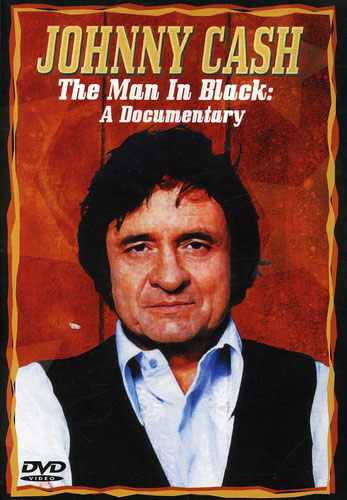
Photo Gallery
Music&Audio
Johnny Cash was born on February 26, 1932, in Kingsland, Arkansas, into a poor farming family amid the backdrop of the Great Depression. The hardships of his upbringing, which included the family’s struggles with poverty, instilled in him a profound empathy for the less fortunate, a theme that would later resonate throughout his music. As a child, he worked the fields alongside his family, picking cotton, and these experiences left an indelible mark on his worldview. Despite the tough conditions, young Johnny found solace in music. He was deeply influenced by the sounds of gospel hymns sung in his home and the country music that wafted through Southern radio stations.
When he turned twelve, tragedy struck his family—the loss of his older brother, Jack, in a tragic accident weighed heavily on him. This loss ignited a creative spark within Johnny, leading him to pen his own songs. He began to develop a unique sound that combined elements of country, gospel, and folk, laying the groundwork for his future career. By the time he was a teenager, Cash’s style fell in line with the burgeoning rockabilly movement, blending country twang with a rhythmic edge that captivated audiences and set the stage for what would become a revolutionary shift in American music.

The Sun Records Era: Forging a Sound and a Legend

In 1954, Johnny Cash was discovered by Sun Records founder Sam Phillips during a brief recording session that would change his life forever. With the classic singles “Cry! Cry! Cry!” and “Folsom Prison Blues,” Cash made a name for himself and solidified his place in the annals of music history. His collaboration with Phillips allowed him to explore a fusion of country, blues, and rock ’n’ roll, which became the hallmark of his distinct sound. During this period, he adopted the now-iconic all-black attire, earning him the moniker “The Man in Black.” This sartorial choice was a reflection of his sympathy for the downtrodden, as he famously stated, “I wear black for the poor and the beaten down.”
As Cash’s popularity soared, he began to pen epic storytelling songs that painted vivid portraits of struggles, redemption, and heartache, making him a voice for the disillusioned. He is often credited with merging the genres of country and rock, creating a sound that would inspire countless artists in subsequent generations. With the support of Sun Records, Johnny Cash became a household name, but the path to stardom was not without obstacles, and Cash was about to face his hardest battles yet.

Battling Demons and Finding Redemption: Cash’s Struggles with Addiction

Success came with its high demands, and Johnny Cash found himself grappling with addiction to drugs and alcohol. The pressures of fame, combined with personal turmoil, led him on a destructive path that threatened to engulf him. During the late 1960s, he would famously require drug interventions, battling demons that stemmed from both his tumultuous lifestyle and the guilt that haunted him from his early life experiences. As a result, his music began to reflect these internal struggles, capturing the raw and often painful truths of existence that many could identify with.
However, his story is not merely one of despair, as it also encapsulates the theme of redemption. Cash sought help, entering rehabilitation and eventually rediscovering his faith. His recovery provided him the clarity to align himself with his values and the commitment to use his platform to inspire others. This journey of recovery and self-discovery became an integral aspect of his music, with albums like “American IV: The Man Comes Around” showcasing a newfound depth and sincerity, establishing him as a universally relatable artist who had weathered life’s storms.
Love, Loss, and Loyalty: The Enduring Romance of Johnny and June Carter Cash
A significant chapter in Johnny Cash’s life involves his deeply cherished relationship with June Carter, who became both a partner and inspiration. The two met during a performance in 1961 when June was a member of the legendary Carter Family, and their chemistry was palpable. However, both faced personal hurdles; Cash was battling addiction and marital troubles, while June navigated her own complicated emotional landscape. Their love story blossomed against adversity, characterized by mutual support, trust, and unwavering loyalty.
🤠 COMMUNITY VOICE
Who do you think deserves the crown for the Ultimate Country Legend?
Submit & See ResultsDespite his struggles, June stood firmly by Cash’s side, encouraging him to pursue sobriety and achieve personal growth. Their bond is beautifully encapsulated in the song “Jackson,” which became a hallmark of their partnership. As they collaborated musically and personally, the couple demonstrated that love could flourish even amidst chaos, inspiring countless admirers along the way. This legendary romance celebrated the complexity of life—rich in both love and pain, ultimately resulting in a marriage that lasted decades until June’s passing in 2003, a loss Cash openly mourned through music until his own death.
Video
The Man in Black’s Activism: Fighting for the Underdog
Throughout his career, Johnny Cash consistently used his platform to advocate for those whose voices often went unheard. In addition to his music, he actively championed social justice causes, particularly focusing on issues related to poverty, civil rights, and prisoners’ rights. His performances at Folsom State Prison in 1968 and San Quentin State Prison in 1969 represented more than just concerts; they were powerful statements against the stigma associated with incarcerated individuals and a call for empathy toward the marginalized. These groundbreaking concerts contributed directly to reshaping society’s perception of prisoners and showcased Cash’s commitment to advocating for justice.

Cash did not shy away from political topics and often spoke candidly about war, inequality, and the struggles faced by everyday Americans. He embraced a persona that bravely transcended genres and allowed him to resonate beyond music; he became a voice for the voiceless. His portrayal of authentic human experiences—filled with sorrow, hope, and perseverance—struck a chord with fans who saw reflection in his lyrics. By standing up for those less fortunate, Johnny Cash solidified his legacy not just as an artist but also as an advocate for change, inspiring future generations to continue the fight for equality and justice.
A Lasting Legacy: How Johnny Cash Continues to Inspire
The impact of Johnny Cash’s music and philosophy endures, transcending time and generations. His unique ability to blend various musical styles while remaining true to the stories that defined his life marked him as one of the most compelling songwriters of the 20th century. Artists across genres have cited Cash as a major influence, and his songs continue to serve as poignant reminders of the human experience. With several posthumous albums released, including the acclaimed “American V: A Hundred Highways,” Cash’s artistry remains relevant and relatable in contemporary discussions regarding love, loss, and redemption.
Moreover, Johnny Cash has inspired an entire cultural movement surrounding the appreciation of country and folk music, igniting interest in the storytelling aspect of these genres. His music has been utilized in cinematic contexts, from film soundtracks to biographical works, further solidifying his role in American culture. As a symbol of grit, integrity, and deep emotional expression, Cash’s journey and its indelible marks they left on music continue to influence aspiring artists and affect listeners worldwide, ensuring that he remains an everlasting figure in the landscape of popular music.
Conclusion
Johnny Cash’s life story, encapsulated in Johnny Cash: The Story Behind the Man in Black, is a rich tapestry woven from themes of struggle, resilience, love, and social justice. From his humble Arkansas roots to his significant role in reshaping music and using his influence for activism, Cash’s legacy is a compelling source of inspiration. He embraced his battles with addiction, the loss of loved ones, and the pursuit of redemption—creating timeless music that echoes the complexities of human experience. As we reflect on his contributions to the world, we find a profound message that continues to resonate: that the stories of our lives, no matter how painful or joyous, can become a beacon of hope and change for others.