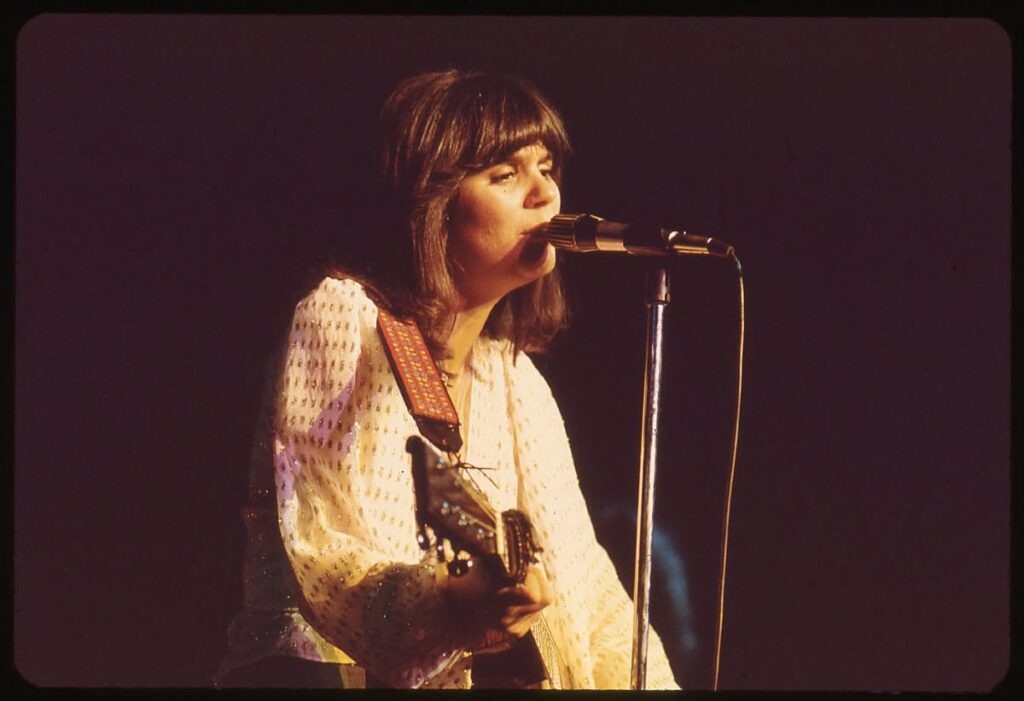
When we think of the Linda Ronstadt best songs, we are transported to an era of musical brilliance, where rock, pop, and country seamlessly intertwined. Known not just for her breathtaking voice but also for her influential position in the music landscape of the 1970s, Ronstadt’s legacy resonates with a vast audience today. From the emotional resonance of “Blue Bayou” to the empowering anthem “You’re No Good,” her songs encapsulate a moment in time where female artists began to flourish in classic rock.
The Musical Evolution of Linda Ronstadt: Queen of the 1970s
Linda Ronstadt’s journey as a musician began in the mid-1960s, stemming from her folk roots in Arizona and blossoming into a profound influence in the rock genre. As she transitioned into the 1970s, her masterful blending of various musical styles earned her the title of the “Queen of Rock.” Ronstadt consistently defied genre boundaries, seamlessly moving through rock, country, pop, and even traditional Mexican music, showcasing her exceptional vocal qualities and expansive range.
What set Ronstadt apart was not just her impressive vocal prowess but her innate ability to connect emotionally with her audiences. Songs like “You’re No Good” and “Blue Bayou” became anthems of the decade, capturing the heartache, passion, and resilience that defined the era. Her musical evolution reflected the societal changes of the time, as women began to carve out their own identities in the music industry, challenging cultural norms and redefining female artistry in a male-dominated landscape.

Blue Bayou: An Iconic Ballad and Its Lasting Cultural Impact
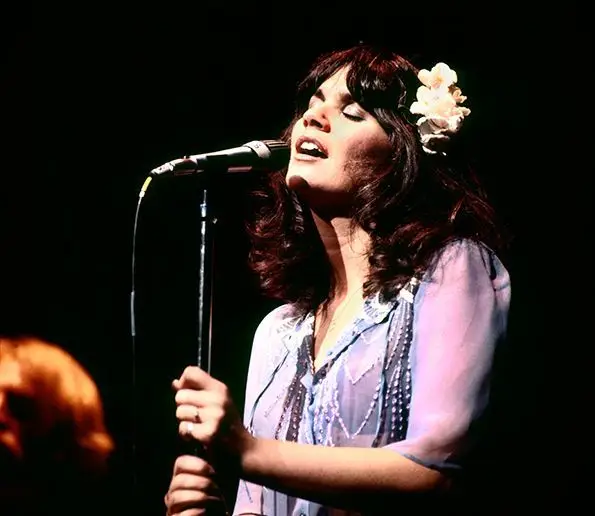
“Blue Bayou” stands as one of the most beloved entries in the Linda Ronstadt best songs pantheon, expertly showcasing her ability to convey intricate emotions through music. Originally written and performed by Roy Orbison, Ronstadt’s version came to life in 1977, and it became an instant classic, capturing the hearts of many with its lyrical depth and haunting melody. The song’s themes of longing and nostalgia resonate universally, and Ronstadt’s rendition is marked by a purity and emotional weight that few can match.
The cultural impact of “Blue Bayou” continues to ripple through time, influencing countless artists across genres. Its enduring popularity highlights how Ronstadt’s interpretation transcended the original while embedding itself within the fabric of American music. In contemporary usage, the song captures sentiments of yearning and hope, proving that a well-written song can touch generations, making “Blue Bayou” an enduring staple in music history.

How You’re No Good Redefined the Female Rock Anthem
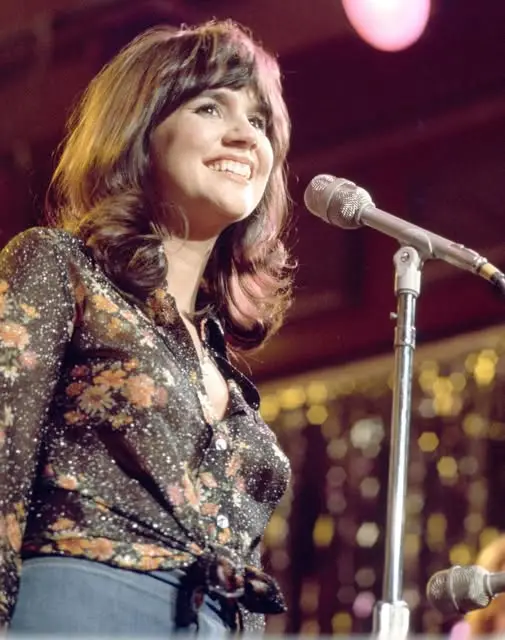
In 1974, Linda Ronstadt’s rendition of “You’re No Good” became not just a chart-topper but a defining moment in feminist rock music. This upbeat anthem challenged traditional portrayals of women in songs, empowering them to reject heartbreak and assert their independence. The anthemic chorus and catchy melody presented a bold image of femininity that contrasted sharply with the more passive roles women often held in popular music prior to this era.
By affirming her worth and reclaiming her narrative through “You’re No Good,” Ronstadt set a precedent for future female artists to express their emotions and experiences openly. Many artists cite this song as a key inspiration in their own works, reinforcing the notion of female empowerment in rock music. With Ronstadt at the helm, the 1970s saw a shift toward more multifaceted portrayals of women, enabling artists like Pat Benatar and Joan Jett to step into the spotlight with their powerful voices and messages.
The Golden Era: Exploring Ronstadt’s Most Essential 1970s Hits
The 1970s were nothing short of phenomenal for Linda Ronstadt, as she released a series of albums that became both commercial successes and critical darlings. Iconic tracks like “When Will I Be Loved,” “Long, Long Time,” and “Poor, Poor Pitiful Me” showcased her unique blend of genres while demonstrating her ability to tell poignant stories through music. Each of these songs carries a unique energy that encapsulates different perspectives on love, loss, and perseverance.
🤠 COMMUNITY VOICE
Who do you think deserves the crown for the Ultimate Country Legend?
Submit & See ResultsRonstadt’s albums during this period were often collaborations with music luminaries, including producers like Peter Asher and artists like the Eagles, further solidifying her place in the 1970s classic rock landscape. As her music evolved, so too did her artistic expression—bringing a sense of authenticity and emotional depth to each track. These songs not only dominated the charts but also became anthems for a generation, illustrating the spirit and struggles of the time while resonating deeply with listeners on a personal level.
Vocal Versatility: Why Linda Ronstadt Remains a Genre-Defying Icon
One of the hallmarks of Linda Ronstadt’s career is her incredible vocal versatility. Regardless of whether she is belting out rock tunes, delivering poignant ballads, or singing in Spanish, her voice remains powerful, captivating, and unmistakable. Her ability to adapt to different styles while maintaining her warmth and sincerity set her apart from her contemporaries. This chameleonic quality allowed her to forge connections across diverse musical landscapes, making her a true genre-defying icon.

Her efforts went far beyond simple vocal performance; they involved a deep understanding of the emotional core of each song. Songs from her varied repertoire—whether it’s the heart-wrenching soulfulness of “Blue Bayou” or the anthemic force of “You’re No Good”—demonstrate her innate ability to connect with audiences. This deep emotional resonance has solidified her status as one of the most respected artists of her time, showcasing that vocal strength combined with genuine emotion is an irresistible combination.
The Legacy of Linda Ronstadt in Modern Classic Rock
In examining the legacy of Linda Ronstadt within the framework of modern classic rock, it’s clear that her influence is profound and enduring. Many contemporary artists, such as Adele and Brandi Carlile, draw inspiration from her daring vocal style and emotive storytelling. The foundation she laid has allowed today’s artists to navigate the music world with the confidence to pursue their artistry, blending genres as she did while remaining true to themselves.
Moreover, Ronstadt’s celebration of multicultural music has paved the way for artists who seek to embrace and appreciate diversity. By incorporating traditional Mexican music into her repertoire, she not only challenged the boundaries of classic rock but also highlighted the importance of cultural representation in the arts. As we listen to music today, we continue to feel Ronstadt’s influence, illustrating her timeless ability to inspire new generations of musicians and fans alike.
Conclusion
The exploration of Linda Ronstadt best songs invites us to reflect on the remarkable significance of her contributions to music and culture. From her roots in folk to her meteoric rise as an iconic figure of the 1970s, her journey serves as a testament to her exceptional vocal abilities and genre-defying artistry. Songs like “Blue Bayou” and “You’re No Good” showcase not only her emotional depth but also her pioneering spirit that redefined female representation in rock music. Even today, her legacy continues to inspire countless artists and touch the hearts of many, further cementing her status as a true legend in the annals of musical history.