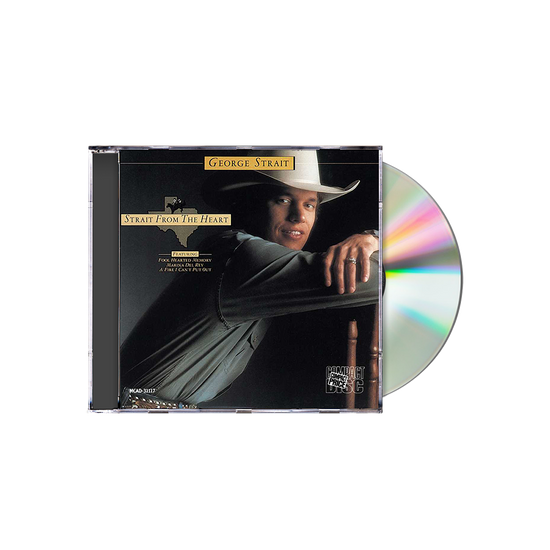
When considering The difference between George Strait’s music and modern Country music, one must delve into a multitude of factors including sound, lyrics, themes, and overall cultural impact. George Strait, referred to as the “King of Country”, represents a traditional sound and lyrical depth that contrasts sharply with a contemporary scene that often prioritizes commercial viability over authenticity.
Generational Divergence: The Evolving Landscape of Country Music
Music & Audio
Country music has transformed dramatically from its origins, evolving with the times and integrating varying influences from pop, rock, and even electronic music. In the arena of this evolving landscape, George Strait’s music stands as a defining voice of traditional country. Emerging in the early 1980s, Strait maintained strong ties to roots country themes, drawing inspiration from the legends before him. His knack for storytelling through melody effectively captivated the heart of Americana, ensuring that the essence of country was preserved. Yet, this preservation creates a natural divide between his iconic sound and the modern iterations of country music that have arisen in the digital age.
Contrarily, today’s country music scenes are marked by experimentation. The genre has expanded its reach, leading to collaborations that blend country with hip-hop, EDM, and even rock. This fusion maximizes appeal to a broader audience, yet sometimes at the expense of the storytelling and traditional instrumentals that originally defined the genre. In revealing the difference between George Strait’s music and modern Country music, one can see that while the genre aims to be inclusive, it may lose some of its emotional depth in pursuit of a wider commercial audience. Consequently, fans of traditional country might find themselves feeling alienated as the genre evolves itself into new sonic territories.

George Strait’s Enduring Authenticity: A Benchmark in Traditional Country

George Strait is synonymous with authenticity in the country music genre. With his clean vocals, masterful guitar playing, and a consistent adherence to traditional instrumentation, Strait released an impressive discography sprinkled with storytelling that feels, at its core, deeply personal and relatable. Songs like “Amarillo by Morning” and “Carrying Your Love With Me” depict life’s moments with a sincerity that resonates deeply with fans across generations. His music cultivates an atmosphere of nostalgia, often inviting listeners to reflect on their experiences and the people around them.
Furthermore, Strait’s steadfast approach to country music serves as a benchmark for what many define as the essence of the genre. He has refrained from making radical stylistic shifts that might stray from the core principles of country music. This commitment has not only earned him critical acclaim but also commercial success, achieving record-breaking sales and numerous awards throughout his career. His legacy endures as a touchstone for new artists who aspire to mold their sound while remaining close to tradition, reinforcing the critical dichotomy made evident in discussions surrounding modern pop-inflected country music.

Modern Country Music: Sound, Themes, and the Drive for Broader Appeal

As we navigate the soundscapes of modern country music, we discover a plethora of influences that have shaped its current state. Unlike George Strait, many contemporary artists are keen to mesh elements from genres like pop and R&B to create a product that is palatable for broader and diverse audiences. The chart-topping success of artists like Kacey Musgraves and Sam Hunt embodies this hybridized approach. Their songs are laden with hooks designed to be radio-friendly while often steering away from deeper storytelling—a primary hallmark of Strait’s catalog.
Moreover, modern country music often leans heavily into themes that reflect current societal shifts, such as the celebration of party culture, material success, and romantic escapades. Artists often opt for beats and production styles that align more with mainstream pop rather than traditional instrumentation like fiddles and steel guitars. While this evolution can introduce a fresh appeal to younger generations, it can lead to debates over the authenticity of the genre, raising questions about what defines true country music in a globalized and digitized landscape.
Melodic Departures: Analyzing the Sonic Distinctions Between Strait and Contemporary Artists
A hallmark trait in the music of George Strait is his adherence to traditional melodic structures that prioritize clarity, simplicity, and emotional connectivity. His songs often feature straightforward chord progressions that serve as a backdrop, allowing his distinctive voice to shine through. The melodies are often crafted with the intention of evoking emotional responses, making them not only catchy but also meaningful. Strait’s arrangements frequently include classic instrumentation—guitars, fiddles, and banjos—drawing listeners back to the roots of country music.
🤠 COMMUNITY VOICE
Who do you think deserves the crown for the Ultimate Country Legend?
Submit & See ResultsIn stark contrast, modern country music tends to favor complex lyrical play and sonic experimentation. Producers utilize technology and digital instruments, which can lead to a sound that encompasses heavy auto-tuning, beats borrowed from hip-hop, and layers of synth. This diversification opens the genre up to new audiences, but can also lead to a disconnection with the traditional sound beloved by long-time country fans. The sonic distinction highlights the difference between George Strait’s music and modern Country music, showcasing a growing divide that raises questions about the future of the genre itself.
Lyrical Evolution: From Storytelling to Pop-Influenced Narratives
One of the most poignant differences between George Strait’s music and modern country is the approach to lyrical content. Strait’s songs are interwoven with narrative arcs, offering tales of heartfelt love, loss, and everyday life. Each track acts like a vignette that emerges from the experiences of average Americans, positioning the listener directly in the story. The weight of emotion imbued in songs like “The Chair” emphasizes storytelling as a pivotal part of traditional country music, creating an anecdotal effect that resonates for years.

Conversely, the lyrical content of contemporary country has shifted towards catchy refrains and prevailing themes of youthful revelry and independence. Although there are certainly still artists who prioritize storytelling, a predominant wave of modern country focuses on producing radio hits that favor repetitive hooks and catchphrases over intricate narratives. The departure from detail-rich lyrics to broader themes can be seen as a deliberate choice aimed at generating mass appeal, but it raises concerns among purists about the authenticity and depth of the genre. This narrative evolution solidifies the notion of the difference between George Strait’s music and modern Country music; for Strait, the goal has always been to embody and convey genuine human experiences.
Impact and Legacy: Understanding the Contrasting Contributions to the Country Genre
The contrasting contributions of George Strait and modern country artists have immeasurable impacts on the evolving landscape of the genre. Strait’s consistent dedication to traditional country music has not only set a standard of quality and authenticity but has also paved the way for new artists who share similar values. He is often viewed as a cornerstone of the genre, and his influence can be seen in the work of Nashville’s rising stars who prioritize traditional sounds even amid the ongoing shifts in the industry.
On the other hand, the contemporary wave of country artists embraces a sense of innovation that undoubtedly reshapes the genre. The reliance on different soundscapes has attracted younger audiences, showing that, while the roots of country music endure, there is room for growth and evolution. This dynamic reflects the ever-changing state of music as both a product of culture and a harbinger of new trends. By examining the difference between George Strait’s music and modern Country music, one can appreciate the diverse influences and legacies that contribute to the genre’s growth.
Conclusion
In conclusion, the exploration of the difference between George Strait’s music and modern Country music reveals the dichotomy between authenticity and broader appeal. George Strait’s dedication to the traditional sound and rich narrative content stands in stark contrast to contemporary artists’ fusion of genres and departure from storytelling. While the essence of country music remains at its roots, the evolution of the genre is a testament to its resilience and ability to adapt. The richness of the past coexists with the dynamism of modern sounds, allowing for a future where diverse influences can coexist, even if that means straying from the ideals that once defined it.